
I’m Ty. I’ve been in the dark. I found a way out.
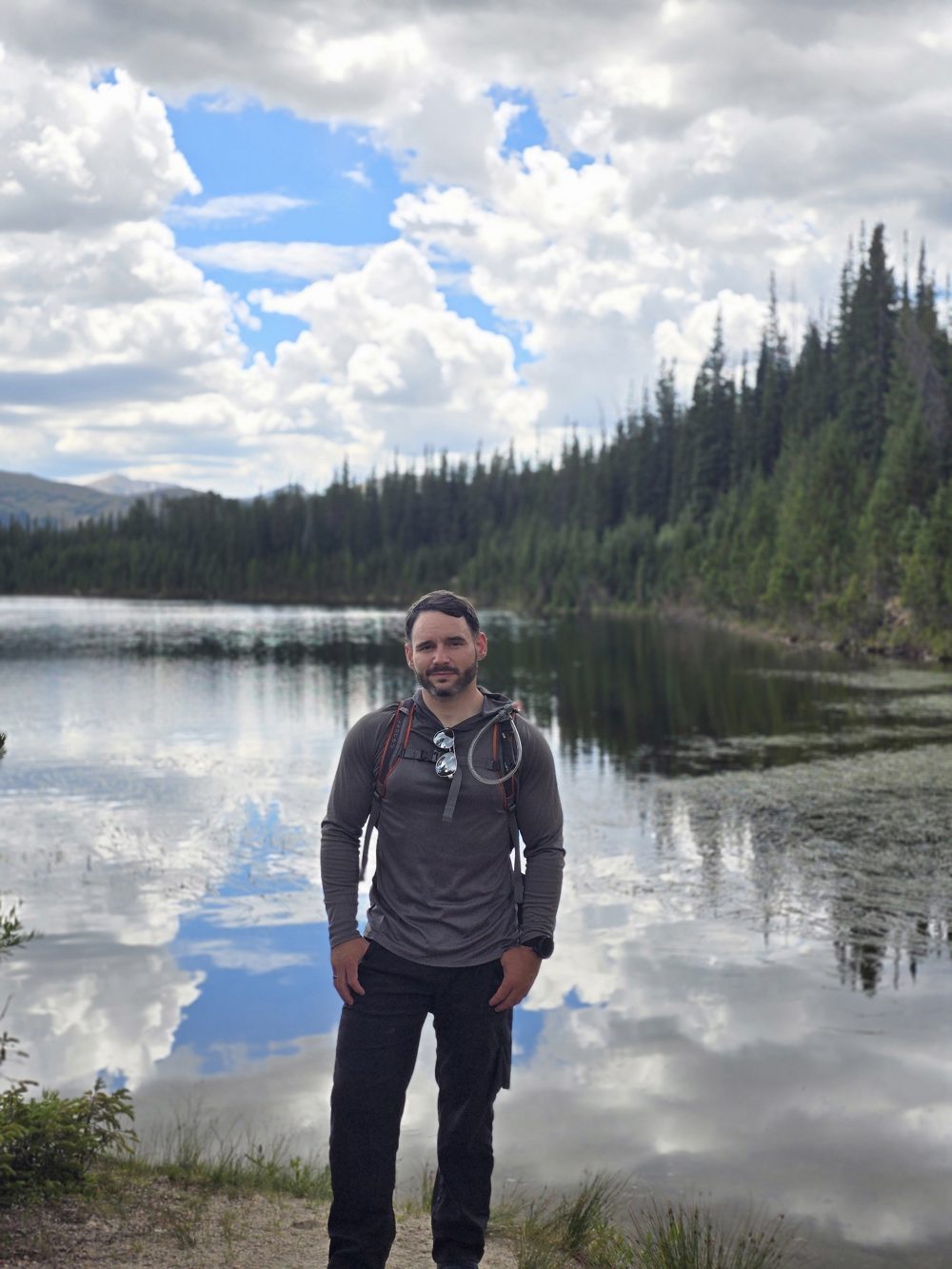
I’m not going to give you a polished origin story. Here’s what happened.
I was in a bad place. Severe depression, the kind where getting out of bed feels like a job. I was carrying a lot of weight, physically and every other way. And I was relying on alcohol to get through the days. Then the nights. Then everything.
I wasn’t living. I was getting by. Barely.
The turning point wasn’t a speech or a breakthrough in an office. It was getting outside. I started moving, walking and then running. The trails and the mountains gave me something nothing else had: a reason to keep going, one step at a time, and a place where the noise in my head finally got quiet.
Out there I started making space to take care of myself and actually sit with myself. Getting to know who I was, without the drinking or the distractions. For me, that’s where the real healing started.
The day I found trail running
I went to the Flatirons in Boulder and picked a hard hike. Halfway up, stumbling over scree and boulders, I got irritated and decided to just run it. To my surprise, I didn’t fall. My balance was all over the place, but my feet kept landing, and I ran until the trail ran out.
Then I tried running down. My knees were screaming, but I felt alive, like my spirit had climbed back into my body. Colors were brighter. Smells were sharper. I found out later this was called trail running.
At the bottom, I asked a stranger to take my picture with the mountain behind me. I wanted proof that it happened. Somewhere between that summit and that photo, I fell in love.
Longs Peak was next. I was not prepared.
I’d already put the drinking down by then. Running didn’t fix everything overnight, but it gave me something to fill that space with, and something solid to stand on while I worked on the rest.
I still run trails in the Rockies most weeks. It’s where I go to think, and sometimes to not think at all.
For the last two years I’ve been helping other people climb out of the same hole: the depression, the weight, the bottle. A few of them have gone all the way to sobriety. That was their work, not mine, but I’m proud I got to be in their corner.
How I Coach
- We work on it together. I’m not here to hand you a list of rules. We figure out what works for you as we go.
- I see what you can’t from the inside. When you’re in it, it’s hard to see your own life clearly. I can step back and point out what’s really going on.
- I’ll push you, and I’ll explain why. You’ll get encouragement when you need it, and you’ll understand the reasons behind each step, not just the steps.
- I’ve been where you are. What I know comes from living it, not from a textbook.
Who I Am (and Who I’m Not)
I’m a coach. I’m not a therapist, a doctor, or an addiction counselor, and coaching isn’t a substitute for any of those. If you need that kind of care, get it. I’ll gladly work alongside it.
The Podcast
I host Wired and Wounded, real conversations about the stuff most of us don’t usually talk about. Listen on Spotify →
I’ve been in the dark too. It can change. Let’s talk.
Disclaimer: Foxfire Coaching provides coaching only. It is not therapy, counseling, medical care, or addiction treatment, and it is not a substitute for any of them. Ty is not a licensed therapist, physician, or addiction professional, and does not diagnose or treat any medical or mental health condition. Always talk to a qualified healthcare provider about your health, including before changing your drinking or starting an exercise program. Stopping alcohol suddenly after heavy use can be dangerous.
In crisis? If you are thinking about suicide or are in immediate danger, call or text 988 (Suicide & Crisis Lifeline, US) or call 911. Outside the US, contact your local emergency number.